

In a rare and candid appearance on Fox & Friends, former First Lady Melania Trump spoke openly about the turbulent transition period following the 2016 election, offering a glimpse into a side of presidential handovers rarely seen by the public.
Her remarks—described by many as both revealing and emotional—have renewed national discussion about what truly unfolds behind the scenes when one administration gives way to another.
Melania characterized the transition from the Obama administration to the Trump administration as “difficult and emotional,” saying her family encountered unexpected obstacles almost immediately. According to her, the cooperation typically extended to an incoming First Family was largely absent, and key information was allegedly withheld.
“We didn’t have much of the information—it was withheld from us by the previous administration,” she said, expressing frustration over what she described as a lack of transparency and goodwill.
The comments sparked strong reactions from political observers and the public alike. Presidential transitions are meant to represent a smooth and peaceful transfer of power—one of the defining features of American democracy. Yet Melania’s account painted a more complicated picture, marked by tension, uncertainty, and emotional strain.
Traditionally, First Ladies meet privately during transitions to offer guidance and support. Melania said that courtesy was not extended to her, leaving the Trump family to navigate their new roles with limited direction and support.
Stepping into the national spotlight as First Lady was already a dramatic life change, she explained. The reported lack of cooperation only intensified the challenge. She described feeling overwhelmed and isolated at times, though she added that the experience ultimately strengthened her resilience.
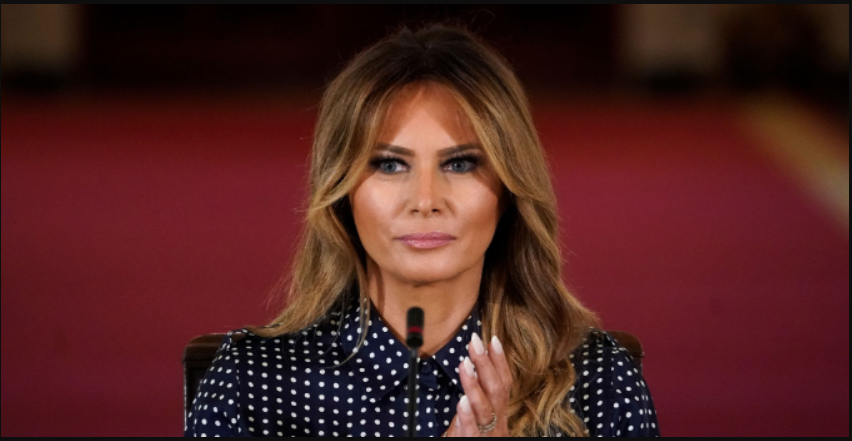
“This time, I have everything,” Melania said confidently—remarks many interpreted as a sign that she feels fully prepared should Donald Trump return to the White House following the 2024 election.
Her reflections also highlighted the often-overlooked emotional burden placed on First Ladies during presidential transitions. While presidents focus on policy and governance, their spouses must manage a complete personal upheaval—adjusting to a new home, intense public scrutiny, and the responsibility of representing the nation on a global stage.
Unsurprisingly, Melania’s comments drew mixed reactions. Supporters of the Obama administration disputed her account, arguing that the 2016 transition followed established norms and procedures.
Still, her firsthand perspective adds a deeply personal layer to the historical record, reminding the public that politics is not only about institutions and power—but also about people, emotions, and unseen challenges.
As the 2024 presidential race gains momentum, Melania Trump’s renewed media presence suggests a shift in her public role. Once known for her reserved approach, she now appears more willing to speak openly and take a visible stance on her own terms.
Regardless of political viewpoint, her remarks offer a rare look at the human side of presidential transitions—revealing that beyond ceremonies, speeches, and headlines lies a complex process shaped by uncertainty, adaptation, and personal resilience.
Her story serves as a reminder that behind every handshake and photo opportunity, there is a deeper narrative—one that continues to shape the legacy of America’s most powerful families.


